
Marketing has always been a strategic way to spread your message and promote your products. With advancing technology, new forms may offer more efficiency than traditional methods. SMS marketing, though not a brand-new concept, is one modern way to reach a vast number of customers and supporters in a matter of seconds.
It may seem straightforward, but there are many considerations to take into account when designing an effective SMS campaign. Learn what SMS marketing is and how your campaign can become successful with Subtext.
What Is SMS Marketing?
SMS marketing is a digital marketing strategy that uses text messages to communicate promotions, updates, and engagement content directly to consumers' mobile phones.
SMS stands for "short message service," but it's usually known as texting. In an SMS marketing channel, text messages are sent out to engage with consumers. These messages are unique opportunities to reach audiences in a space usually reserved for family and trusted friends. They can promote a brand or product, but their greatest advantage is the ability to foster greater engagement and brand loyalty.
Common SMS Marketing Message Types
-
Promotional texts: Messages advertising sales, discounts, or special offers
-
Transactional notifications: Shipping updates, order confirmations, and delivery alerts
-
Engagement messages: Breaking news, event reminders, and exclusive content
-
Two-way conversations: Polls, surveys, and direct customer interactions
SMS marketing messages often contain:
- Breaking news
- Notifications of upcoming events
- Coupons
- Information about new music or tours
- Links to relevant articles or posts
- Links to new podcast episodes
- Shipping and delivery notifications
- Links to surveys
This marketing format is highly effective because people are statistically more likely to open a text than an email—SMS messages have a 98% open rate compared to just 20% for email.
Why Should You Use SMS Marketing?
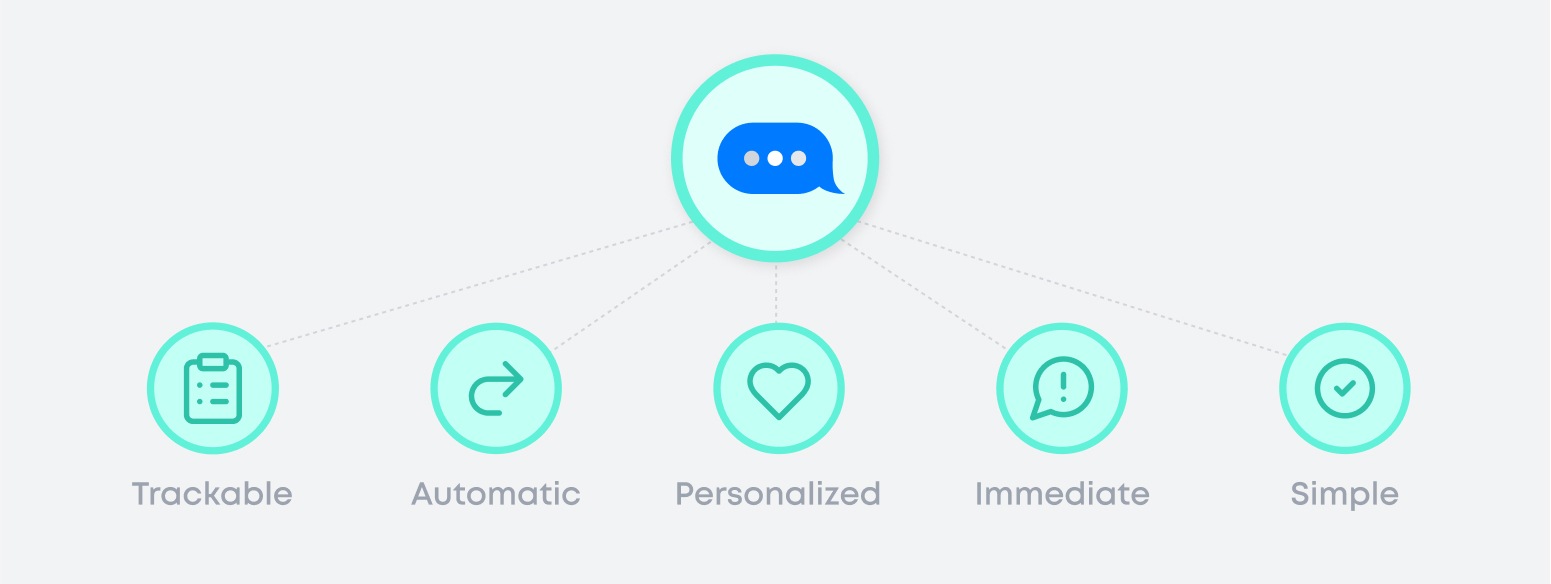
There are many benefits associated with including SMS marketing as part of your business model. Here are some compelling reasons to choose texting.
1. Bolster Connections and Engagement
We’ll start with our favorite. People don’t associate banner ads or TV commercials with intimate conversations with their loved ones—but texting is entirely different. If you don’t misuse the privilege, SMS marketing channels can be a powerful way to connect on a more personal level.
2. Ensure Audience Consent
Privacy laws regulate texting channels for brands, but we don’t consider that a drawback. Opt-in text messages mean your audience is here for the engagement opportunities you offer. They want to connect.
3. Enjoy High Open Rates
SMS has an average open rate of 98%. That’s incredible. Compare that to email marketing, which can only boast 20%. You have no chance of engagement if your message never reaches your audience—but that isn’t an issue with texting.
4. Reduce Churn
How many subscriptions do you have? What gets cut when it’s time to make reductions? Adding SMS interactions with your customers reduces churn by as much as 50%, and it’s easy to see why. It’s easier to wave goodbye to a service you feel little connection to, but increased engagement can lead to brand loyalty—compelling your customers to stay.
5. Let Your Audience Speak
The connections represented by SMS channels don’t need to go one way. Send out a brief poll over SMS to get quick, real-time feedback from your most loyal customers. Let them feel heard, and then take the opportunity to really listen.
Preparing SMS Channels
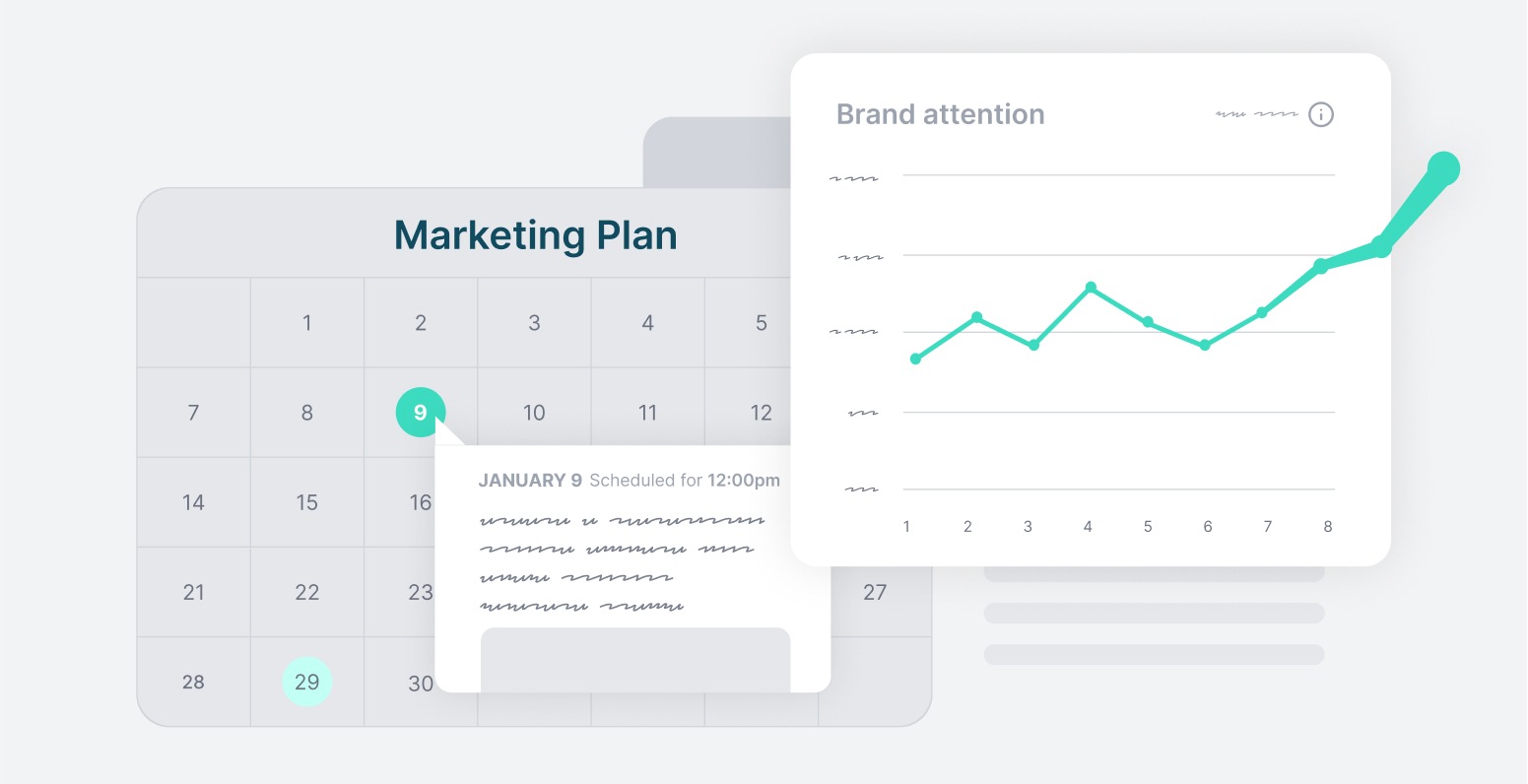
If you want to build a successful SMS channel, the first step is to create a plan. Start with a goal: What do you want these messages to achieve? Sales? Audience engagement? Set a clear goal, so you know what you’re shooting for.
Then, take time to create a calendar, planning out when you will send out messages. For example, you could send messages out before upcoming events and sales as reminders, or you could plan to send out regular weekly texts.
Finally, you will need a way to measure success. Set up a scheduled time each week or month when you can take stock of your campaigns’ success and reevaluate if messages need to be altered or what format works best.
Converting Your Audience to SMS Subscribers
Gathering phone numbers to send SMS messages to may be the most difficult part of the entire process, but there are many ways you can convert your audience into SMS subscribers. Here are some of them:
- Provide a subscription link on your website and social media platforms.
- Mention the opportunity to receive SMS messages in podcasts or on the radio.
- At live events, have QR codes ready so people can easily scan them to subscribe.
- Include an option for people to subscribe to SMS messages when they make a purchase online.
- Offer an incentive to join a texting campaign, like an exclusive coupon code.
Crafting Compelling Messages
Now that you know how to get subscribers, you need to learn what to say. You’ve got 640 characters to play with. Here are a few tips for making the most of your SMS channel.
1. Quickly Say Who You Are
A welcome message mentioning your company’s name and an exclamation mark goes a long way here. Greeting people by name adds a personal touch that can help capture their interest.
2. Ask Questions
You need a hook or a message people care about. Grab their attention quickly with something eye-catching. Questions relevant to your brand are a great engagement tool. Get them thinking and drop a link to where the community can discuss their answers.
3. Be Conversational
SMS allows brands to enter a private, personal space—so don’t bring your formal sales pitches and stilted brandspeak. Focus on engagement over going for the hard sell. Literally nobody is asking for relentless, high-pressure sales texts.
4. Be Selective and Concise
We can’t emphasize this enough: If you inundate your audience with too many texts, you’ll see people opt out. Respect your audience by keeping your messages relevant and occasional.
Since you don’t have a lot of space, you need to craft your message carefully. Use strategic words and phrases to get attention. Always ask yourself: Would I respond to this message if I got it on my phone?
SMS Marketing Compliance Checklist
Before you begin a texting campaign, you need to understand the regulations and rules you need to follow.
- TCPA Compliance: Follow the Telephone Consumer Protection Act requirements for commercial text messages
- CAN-SPAM Act: Adhere to FTC guidelines for commercial messaging
- CTIA Guidelines: Follow wireless industry best practices for messaging
- Opt-In Consent: Obtain explicit permission before sending marketing texts
- Opt-Out Instructions: Provide clear instructions for subscribers to text STOP or UNSUBSCRIBE at any time
- Sender Identification: Clearly identify your brand in messages
If you do not comply with these regulations, you could face customer lawsuits, resulting in heavy legal fees for your company.
SMS Marketing Best Practices
- Time messages strategically: Send texts during business hours and avoid early mornings or late nights
- Limit frequency: Keep messages occasional to prevent opt-outs (2-4 messages per month is typical)
- Personalize content: Use subscriber names and tailor messages to their interests
- Identify yourself clearly: Always include your brand name in the first message
- Optimize for mobile: Ensure all links lead to mobile-friendly pages
- Provide value: Every message should offer something useful—news, discounts, or exclusive content
- Include clear CTAs: Make it obvious what action you want subscribers to take
Utilizing Analytics to Measure Success
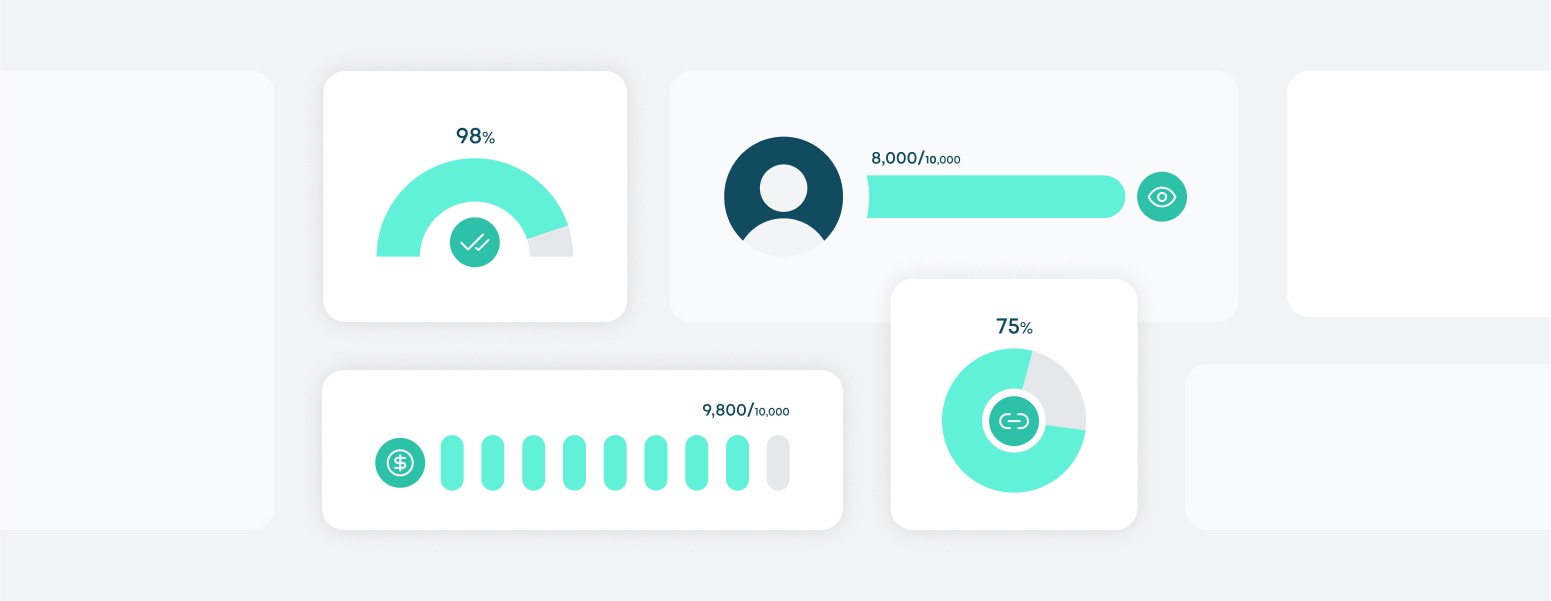
To measure the success of your SMS channel, start by tying your reporting back to your original goal. SMS performance looks different depending on what you’re trying to achieve, whether that’s building community, driving clicks or sales, collecting first-party data, improving retention, or strengthening audience loyalty.
Unlike email or social media, SMS doesn’t rely on public-facing metrics like impressions, likes, or individual open rates. It’s a direct, private channel, so success is better measured by the actions subscribers take after receiving your messages.
Some of the most important SMS metrics to track include:
- Subscriber growth: How many people are joining your SMS channel over time
- Response rate: How many subscribers reply to your messages
- Click-through rate (CTR): How many people click the links you send
- Conversion rate: How many subscribers take the intended action, such as making a purchase, renewing a subscription, registering for an event, or visiting a landing page
- Churn rate: How many people unsubscribe, and whether that number changes based on content, cadence, or expectations
- Tag activity and segmentation: Which subscribers are showing repeated interest, self-identifying preferences, or engaging with specific topics
- Revenue or retention impact: How SMS contributes to sales, renewals, membership retention, event attendance, or other business outcomes
The right KPI depends on the purpose of the campaign. If your goal is community building, response rate and churn may matter most. If your goal is traffic, sales, or conversions, CTR and conversion rate are stronger indicators. If your goal is audience intelligence, tags, segments, and repeated engagement can help identify your most valuable subscribers.
Review these metrics regularly so you can understand what resonates, where subscribers are taking action, and where your strategy needs to improve. Over time, the strongest SMS programs use performance data to refine message timing, content, calls to action, segmentation, and audience expectations — turning each campaign into a clearer signal of what your audience values most.
Start an SMS Marketing Channel with Subtext
In this SMS marketing guide, we’ve walked you through the best practices and key considerations for SMS marketing channels. Now, it’s time to look at the Subtext difference and how our two-way texting capabilities enable brands to engage with their audience on a deeper level.
If you’re ready to truly foster brand loyalty and build meaningful engagement with an SMS marketing channel, Subtext can set you up for success. Subtext facilitates sending texts directly to subscribers, ensuring that messages are on time, clear, and never corrupted. To see how Subtext can transform your marketing strategies, book a demo today or read our FAQ.